

Ziploc
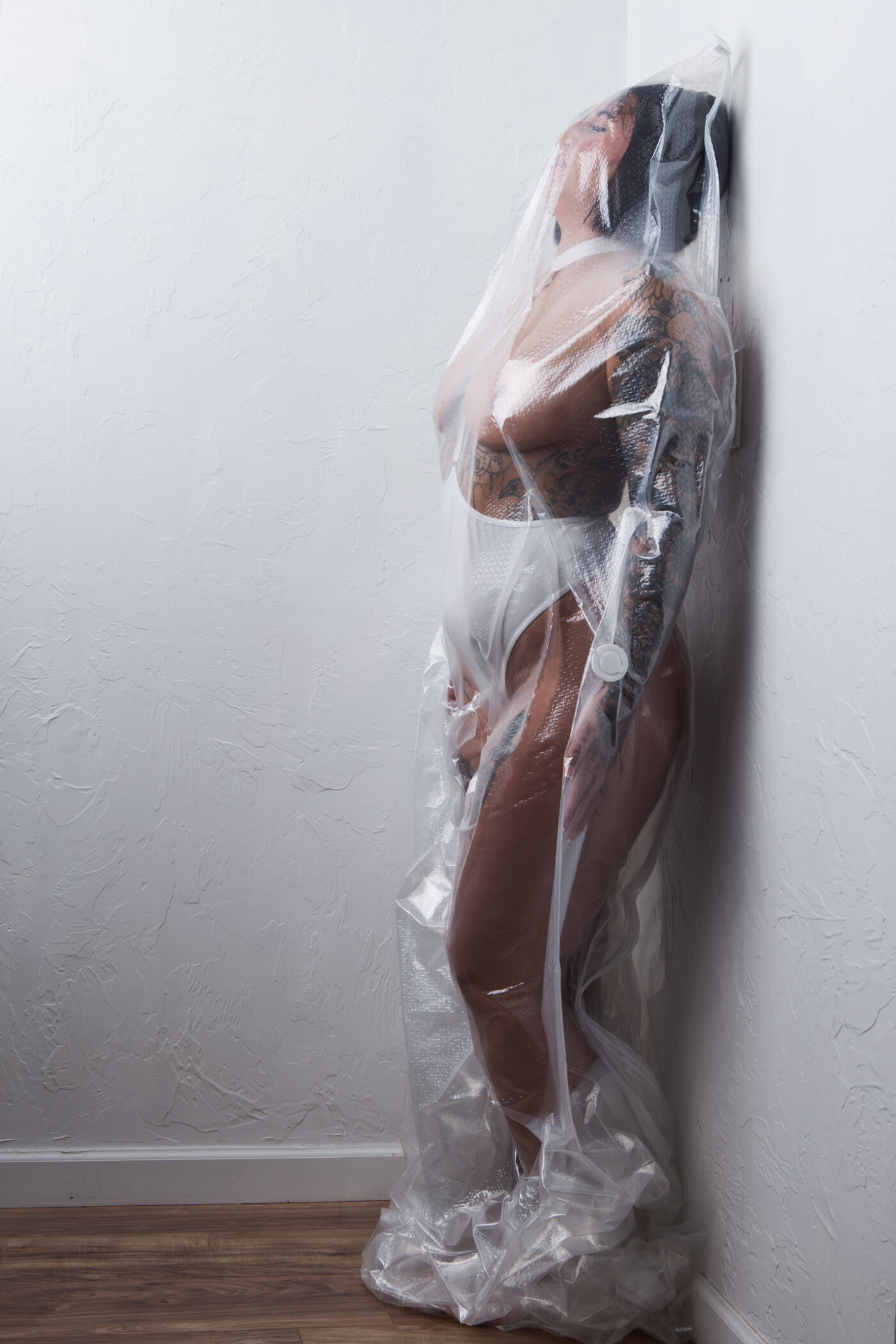
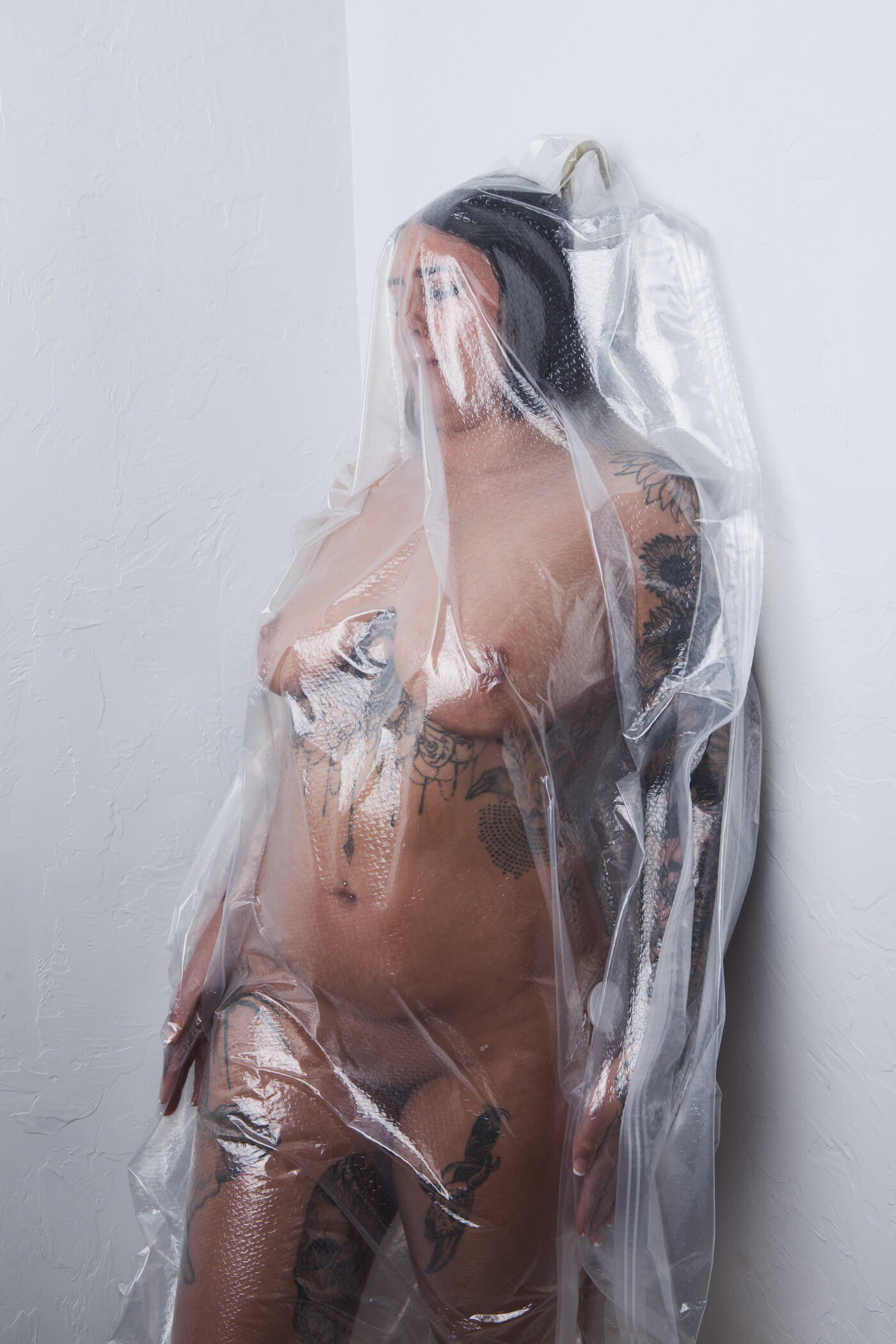
Ziploc is an absurd, provocative, and darkly whimsical spin-off from Cloning the Beautiful—a project born out of pure creative logic: if you’re going to clone your own models, you’ll eventually need somewhere to store them. The solution? Ziploc them.
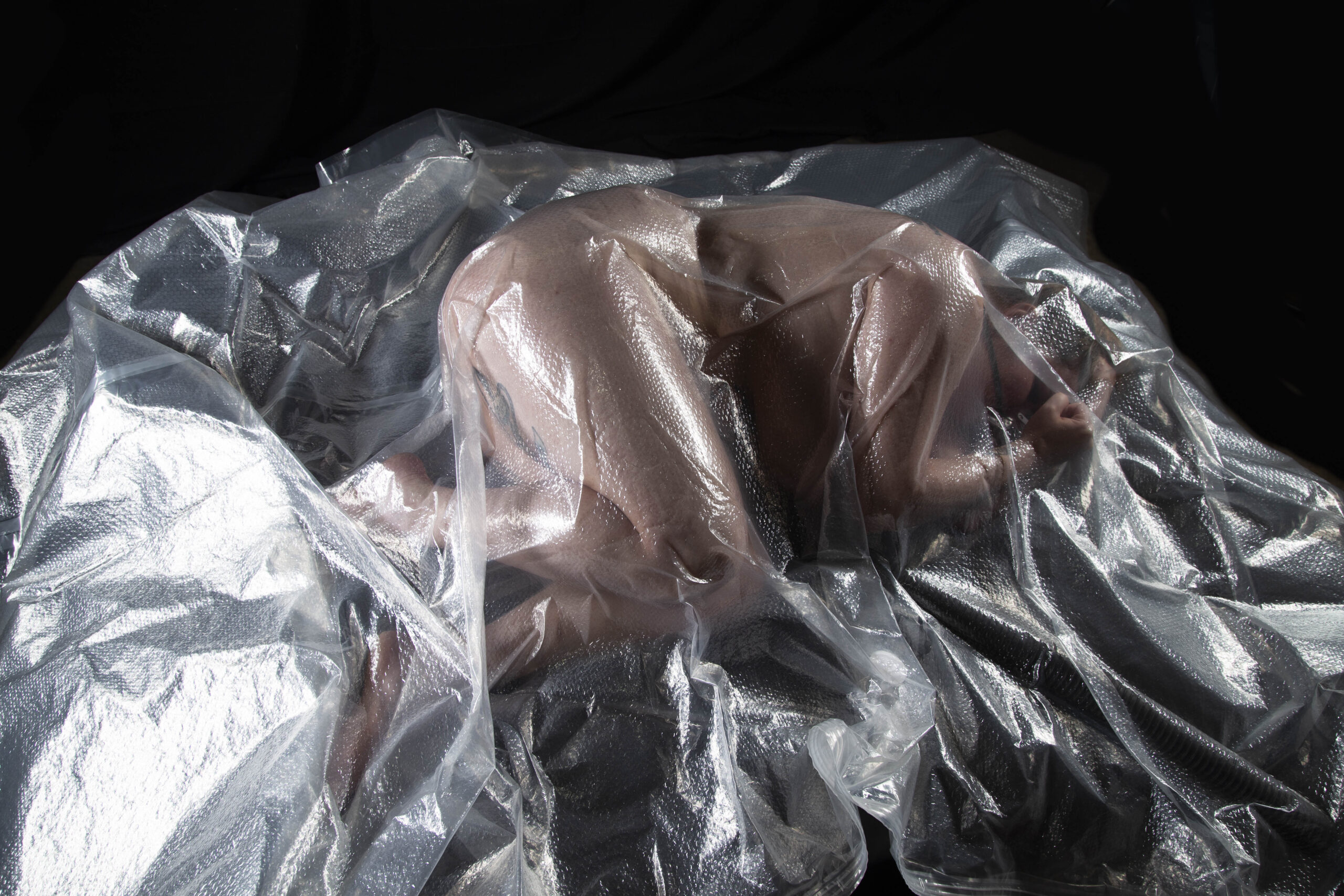
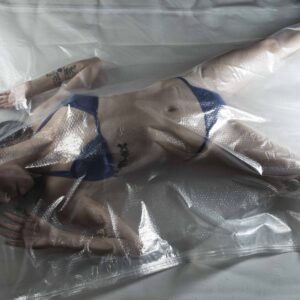
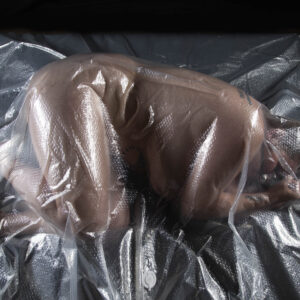
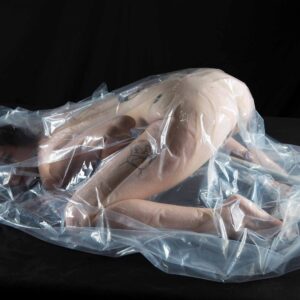
In this conceptual photo series, cloned models are posed inside oversized clear plastic bags—sealed, labeled, and preserved as if they were delicate biological specimens or high-end fashion assets awaiting future use. The imagery is equal parts beautiful and unsettling. The idea is intentionally ridiculous, but executed with the kind of visual polish and precision that makes it feel eerily plausible.
The humor of the project is its brilliance. It’s a commentary on control, preservation, disposability, and perfection. The models, flawlessly posed and frozen in time, evoke everything from sci-fi cryostasis to consumer culture packaging. Are they being protected? Displayed? Archived for future shoots? Or are they already obsolete, vacuum-sealed reminders of a beauty industry that values preservation over presence?
Each photograph is carefully styled to heighten the surrealism. The models appear serene, sometimes expressionless, sometimes playful—suspended in their plastic prisons like mannequins waiting to be unpacked. The bags are wrinkled, air-tight, and transparent, creating layered textures that both obscure and highlight the contours of the human form. The lighting adds a sterile, clinical feel—like a futuristic lab, a high-end retail vault, or a cryo-storage facility for the elite.
Every detail is part of the illusion: hand-written storage tags, dated labels, status indicators like “Ready,” “In Holding,” or “Do Not Open.” It’s absurd logistics for a fictional empire of beauty—where models are not only grown (Cloning the Beautiful) but kept fresh until needed, like fine art in cold storage.
Beneath the humor lies a subtle critique of modern aesthetics and the way beauty—especially female beauty—is often commodified, preserved, and repackaged. In this world, even clones aren’t immune to being sorted, shelved, and stored for future consumption. The Ziploc becomes a symbol of preservation, but also one of containment. The question lingers: are these clones safe inside, or trapped?
The irony, of course, is that the models remain stunning—even encased in plastic. Their expressions, poses, and visual presence still command attention. They’re not diminished by their packaging—they’re enhanced by the sheer weirdness of it. It’s fashion editorial meets sci-fi horror with a glossy twist of satire.
Ziploc is about control. About absurdity. About taking the concept of model perfection and preservation to its most literal, laughable, and visually striking conclusion. It’s part parody, part pop art, part dystopian daydream—and 100% Council of Mischief.
Scroll below to enter the archive and explore the gallery of sealed perfection. Each Ziploc contains a story—untouched, untold, and always ready to be unpacked.
Want to see more of this model?
You can find this model and many others on my Patreon page.
Are you interested in what I’ve been up to and not a fan of subscriptions,
check out the dark side of Subtle Shades.